Balancing heavy corporate activity, massive athletic and entertainment venues, and dense residential neighborhoods requires a steady focus on community safety across the South Bay. From high-tech office parks near Great America Parkway to bustling commercial sectors along El Camino Real, workers, fitness instructors, and local residents frequently look for ways to stay prepared for medical incidents. Having properly trained bystanders available when sudden health events occur helps bridge the gap before professional responders arrive.
Finding reliable instruction tailored to Silicon Valley schedules involves reviewing structured educational programs. This resource outlines American Red Cross CPR and First Aid certification classes in Santa Clara, California, detailing what curricula cover, who benefits most from participation, and how to choose the right option.
Quick Answer / Key Takeaway
Individuals searching in Santa Clara can explore American Red Cross CPR and First Aid training programs structured to satisfy employment mandates, school prerequisites, childcare regulations, or personal safety goals.
What Are American Red Cross CPR and First Aid Classes?
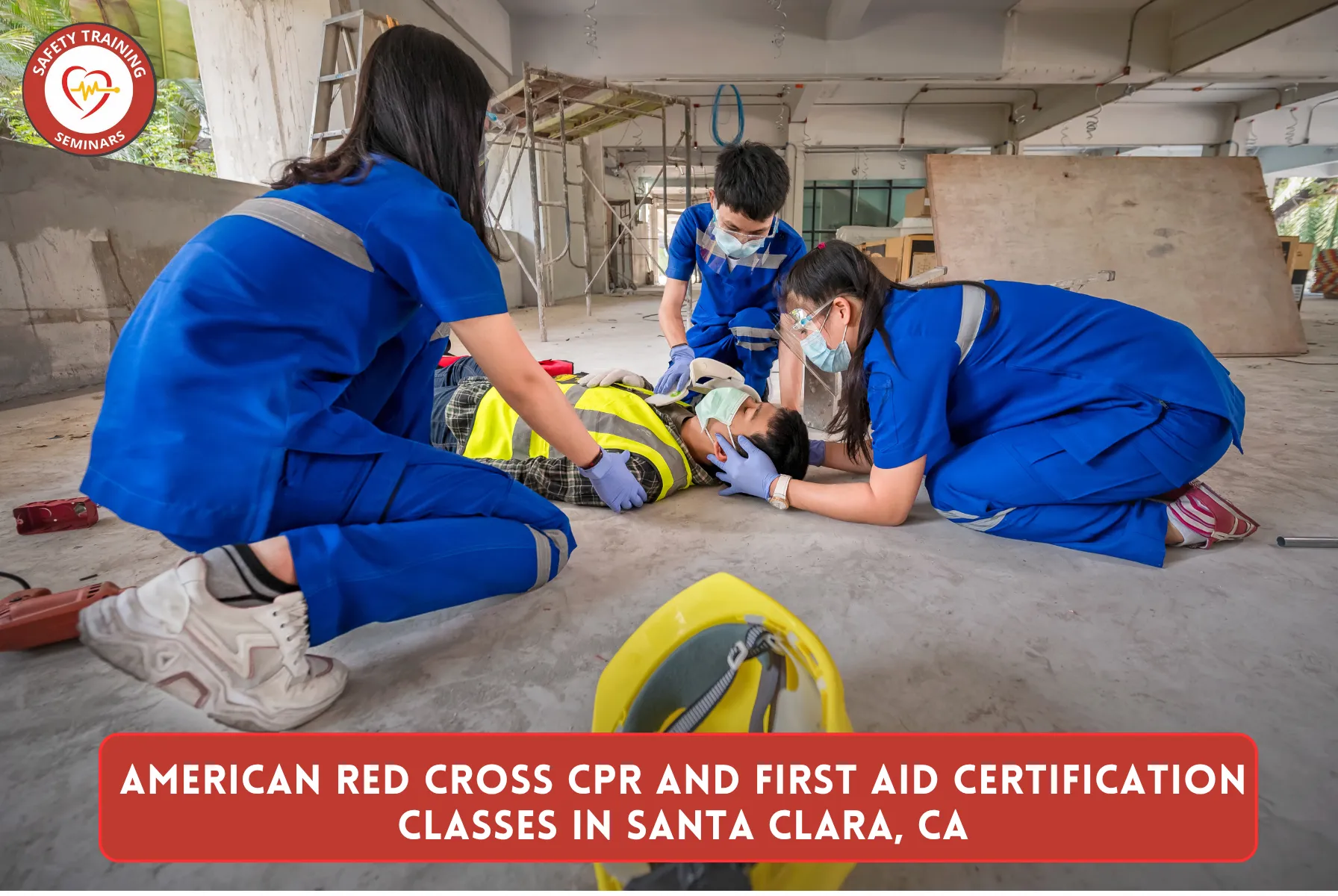
Emergency-response education brings together distinct skill sets designed to help bystanders manage sudden medical crises effectively.
- CPR Training: Teaches participants how to recognize cardiac arrest, perform chest compressions, and deliver rescue breaths. Curricula adapt to adult, child, and infant care protocols.
- First Aid Training: Focuses on evaluating and managing non-cardiac injuries and sudden illnesses, including severe cuts, burns, sprains, allergic reactions, and environmental exposures.
- AED Training: Instructs learners on operating Automated External Defibrillators, portable devices that analyze heart rhythms and deliver corrective shocks during cardiac emergencies.
Because physical injuries and cardiac events frequently happen under identical circumstances, CPR and First Aid are commonly taught together in comprehensive multi-topic sessions. Selecting the correct class depends on your specific organizational obligations. Practical, hands-on practice on training mannequins is an integral part of skill acquisition, building the physical muscle memory needed during high-stress moments. Always verify your organization’s exact prerequisites prior to enrollment.
CPR Training in Santa Clara
Cardiopulmonary resuscitation forms the core of foundational life-support education. Throughout the local business community, office teams, industrial workers, and community volunteers encounter environments where maintaining active cardiac response skills is standard operating procedure.
Depending on the specific curriculum chosen, CPR instruction typically covers:
- Multi-Age Respiration Techniques: Adapting chest compressions and breath delivery for adults, children, and infants.
- Obstructed Airway Procedures: Handling choking events across different developmental stages.
- Team Coordination: Practicing role assignment when multiple rescuers assist a single patient in corporate settings.
Corporate staff, warehouse personnel, and local office workers frequently select CPR-focused modules to satisfy internal safety guidelines. Because course contents vary, learners should review syllabus details to ensure the specific class aligns with their operational environment.
First Aid and AED Training in Santa Clara
While CPR addresses breathing and cardiac failure, First Aid and AED education broaden an individual’s emergency response capabilities. In busy recreational facilities, local parks, and high-occupancy event venues, unexpected physical injuries require prompt intervention.
First Aid instruction explains how to evaluate an accident scene, manage bleeding, immobilize suspected fractures, and assist individuals experiencing sudden medical distress. When combined with AED instruction, participants learn how electrical defibrillation works alongside chest compressions to maximize survival rates during sudden cardiac arrest.
Childcare providers, youth sports coaches, and hospitality staff frequently incorporate these broader modules into their professional routines. Reviewing the scope of your chosen curriculum ensures that the training matches the specific hazards or regulatory expectations you face on a job site.
Who Typically Takes CPR and First Aid Classes?
Emergency-response education draws participants from diverse professional backgrounds and personal walks of life across the region.
- Fitness Professionals and Coaches: Personal trainers, gym attendants, and sports league organizers complete training to protect active clients and athletes.
- Childcare Providers and Teachers: Daycare operators and educators maintain active credentials to satisfy state licensing standards and school district safety guidelines.
- Workplace Employees: Office staff, operations personnel, and designated safety monitors take courses to comply with internal company safety policies or OSHA recommendations.
- Nursing and Allied Health Students: Individuals completing clinical prerequisites or vocational training programs often secure certification before entering healthcare rotations.
- Parents and Caregivers: Family members, babysitters, and foster parents enroll voluntarily to ensure they can respond effectively to household emergencies.
How to Choose the Right Course
Selecting the appropriate training level prevents wasted time and ensures your certification satisfies your specific obligations. The table below outlines common course configurations and their typical applications.
| Training Type | Core Focus | Typical Application |
| CPR | Chest compressions, rescue breaths, and choking relief. | General workplace safety, office staff, and community members. |
| First Aid | Managing sudden illness, bleeding, burns, and environmental injuries. | General hazard response and personal preparedness. |
| CPR/AED | Combined cardiac arrest management and defibrillator operation. | Fitness facilities, security personnel, and corporate offices. |
| First Aid / CPR / AED | Comprehensive multi-topic emergency response. | Teachers, childcare workers, coaches, and designated safety leads. |
Requirements vary significantly by employer, school district, licensing board, and professional organization. Always confirm your exact prerequisite rules with your supervisor, HR department, or program coordinator before enrolling in a specific class.
Local Santa Clara Training Considerations
Santa Clara serves as a major hub in the heart of Silicon Valley, bordered by San Jose, Sunnyvale, and Cupertino. Professionals commuting along Lawrence Expressway, Interstate 280, or Highway 101 frequently seek educational resources that are close to employment centers rather than requiring long-distance travel.
Local employers, tech campuses, and community groups look for training options that minimize transit time while delivering fully compliant instruction. Whether you commute from nearby residential neighborhoods or work directly near local commercial districts, having access to a dedicated facility makes it easier to complete requirements without disrupting your busy work schedule.
Safety Training Seminars in Santa Clara
For residents and workers seeking accessible instruction, local options like Safety Training Seminars provide streamlined enrollment and structured learning environments. If you are exploring CPR and First Aid classes in Santa Clara, reviewing local schedules helps you find a session that fits your timeline.
Classes are hosted at the Safety Training Seminars Santa Clara CPR Training Center Address: 1400 Coleman Avenue, Suite E18-1, Santa Clara, CA 95050.
Attending a local facility allows you to complete hands-on skill practice under the direct observation of experienced instructors. Before signing up, check the Santa Clara course catalog and registration details to confirm prerequisite guidelines, class formats, and exact times.
Why Choose Safety Training Seminars for CPR and First Aid Training in Santa Clara, CA
When scheduling emergency-response training, participants look for reliable administration, clear course descriptions, and convenient physical locations. Safety Training Seminars delivers focused educational programs designed around practical skill acquisition.
Key aspects of choosing this local provider include:
- Dedicated Local Facility: Centrally situated in the local area with straightforward access for South Bay commuters.
- Clear Course Offerings: Transparent descriptions helping you match your professional or personal needs to the correct curriculum.
- Structured Registration: Straightforward online booking and scheduling designed to simplify the enrollment process.
- Hands-On Learning Support: Direct instructor feedback during physical practice sessions to ensure proper technique.
Reviewing these elements helps ensure your training experience runs smoothly from registration to completion.
Frequently Asked Questions
Where can someone in Santa Clara find local CPR training?
Local residents can access professional instruction through established providers offering in-person courses right within the city, such as at the Coleman Avenue training center.
Do fitness professionals or coaches commonly need CPR certification?
Yes. Gyms, athletic leagues, and recreational facilities frequently require personal trainers and instructors to maintain active CPR and AED credentials to protect clients during physical activity.
Does an employer accept American Red Cross training?
Employer acceptance depends entirely on internal company policies and industry regulations. Always verify your specific workplace or licensing requirements before registering for any certification course.
Is hands-on practice included in these classes?
Yes. Training options provided through local centers typically incorporate in-person skill practice on mannequins and equipment to ensure participants master proper physical techniques.
What should I verify before registering for a class?
You should confirm the exact level of certification required by your school, employer, or regulatory board. Ensuring you select the right tier prevents enrollment in a course that fails to meet your professional standards.
Conclusion
Securing proper emergency-response credentials is a practical step for professionals, caregivers, and community members throughout the South Bay. By understanding the differences between CPR, First Aid, and AED modules, you can choose a curriculum that directly aligns with your daily responsibilities. Residents looking for structured instruction can explore local options at the Safety Training Seminars Santa Clara facility. Always verify your specific institutional or workplace prerequisites before registering, and review available schedules to take the next step in your professional development.